isn’t just a catchy claim—it’s backed by science and taste. Chocolate is loved, craved, and sometimes misunderstood. While milk chocolate and white chocolate have their loyal fans, dark chocolate stands apart for more than its bold, intense flavor. It boasts a superior nutrient profile, rich in powerful antioxidants and packed with potential health-enhancing properties, making it a true standout among all chocolate varieties
In this blog, we’ll explore why dark chocolate is the healthiest, looking into its nutritional composition, scientifically proven benefits, and how to include it wisely in your daily life. Get ready to ditch the guilt and embrace the goodness of the darkest, richest treat.
Why Dark Chocolate
1. What Is Dark Chocolate?
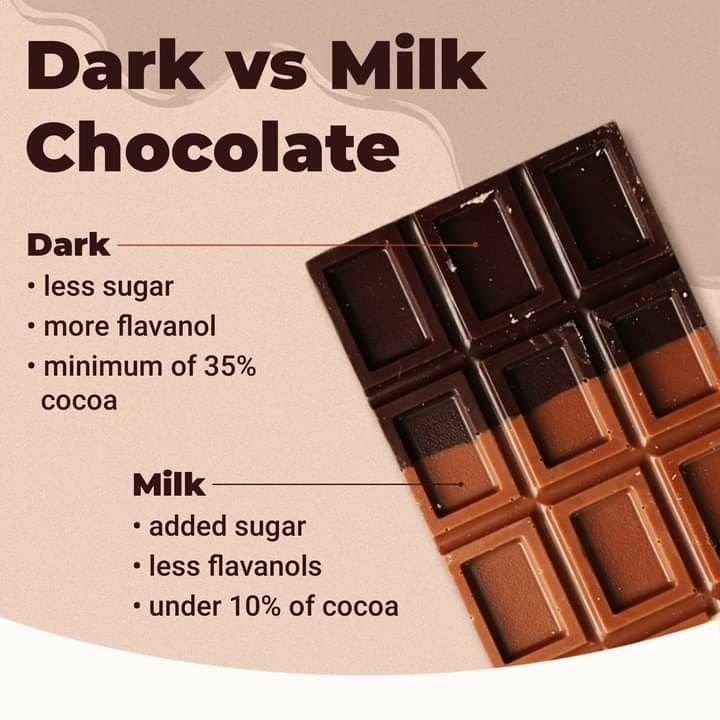
Dark chocolate is made from the seeds of the cacao tree and contains a high percentage of cocoa solids and cocoa butter, with little or no milk solids added. This distinguishes it from milk chocolate and white chocolate, both of which have higher sugar and dairy content.
The cocoa content in dark chocolate typically ranges from 50% to over 90%, with the higher percentages offering the most health benefits. The more cocoa, the more flavonoids, antioxidants, and minerals the chocolate retains.
2. Nutritional Profile: What’s Inside a Bar of Dark Chocolate?
Dark chocolate is surprisingly nutrient-dense.An average 100-gram bar of 70–85% cocoa dark chocolate provides
Iron – 67% of the Recommended Daily Intake (RDI)
Magnesium – 58% of the RDI
Copper – 89% of the RDI
Manganese – 98% of the RDI
Fiber – 11 grams
Potassium, phosphorus, zinc, and selenium in good amounts
It’s also packed with healthy fats and has a lower glycemic index than milk chocolate, meaning it causes less of a spike in blood sugar.
Of course, 100 grams is a large serving, and moderation is key. But even a small square or two per day can offer notable benefits.
3. Antioxidant Powerhouse
Packed with antioxidants like flavonoids and polyphenols, dark chocolate stands out as a powerful nutritional choice Antioxidants fight free radicals in the body, helping to slow aging and reduce the risk of many chronic diseases.
In fact, dark chocolate has been shown to have more antioxidant activity than blueberries, acai berries, and green tea in certain studies. This makes it one of the richest antioxidant sources you can find in a typical diet.
Key Antioxidants in Dark Chocolate:
Flavanols – Improve heart health and brain function
Catechins – Protect cells from damage
Theobromine – Has mild stimulant effects, less intense than caffeine

4. Cardiovascular Benefits
Perhaps the most well-documented benefit of dark chocolate lies in its positive effects on the heart.
a. Improves Blood Flow
Flavanols found in dark chocolate help boost the production of nitric oxide (NO), a molecule that relaxes blood vessels and enhances blood flow. This can lower blood pressure naturally and reduce the risk of cardiovascular disease.
b. Lowers “Bad” Cholesterol
Some studies show that dark chocolate can reduce LDL (bad) cholesterol while increasing HDL (good) cholesterol, further protecting against heart disease.
c. Reduces Risk of Stroke
Long-term studies in healthy individuals have shown a correlation between regular dark chocolate consumption and lower risk of strokes and heart attacks.
5. Brain-Boosting Effects
Chocolate isn’t just food for the heart it’s food for the brain too.
a. Enhances Cognitive Function
flavanols present in dark chocolate support increased blood flow to the brain. This can boost brain function, memory, and focus, especially in older adults. Some evidence even suggests regular intake may reduce the risk of neurodegenerative diseases like Alzheimer’s.
b. Mood-Enhancing Properties
Dark chocolate stimulates the brain to release endorphins, serotonin, and dopamine, the “feel-good” hormones. It also contains phenylethylamine (PEA), a compound that promotes feelings of love and euphoria. No wonder chocolate is associated with romance and happiness!
6. Supports Skin Health
The flavonoids in dark chocolate can protect your skin from UV damage, improve blood flow to the skin, and increase skin density and hydration. A study revealed that regular dark chocolate consumers showed greater resistance to sunburn than those who did not consume it
So next time you prep for a beach day, maybe pack a few squares of dark chocolate along with your sunscreen!
7. Helps Manage Blood Sugar and Insulin Sensitivity
It may seem counterintuitive that chocolate—often linked with sweetness—can help manage blood sugar. But dark chocolate, especially when low in added sugar, has been shown to improve insulin sensitivity.
This can be beneficial for people with pre-diabetes, type 2 diabetes, or metabolic syndrome. Of course, portion control is essential, but dark chocolate doesn’t spike your blood sugar the way milk chocolate or candy bars do.

8. May Aid Weight Management
While chocolate is calorie-dense, there is growing research showing that dark chocolate may actually help control appetite.
Here’s how:
It promotes satiety—a small piece after a meal can reduce cravings.
The bitterness slows down consumption, reducing the urge to binge.
Dark chocolate affects ghrelin and leptin, the hormones responsible for hunger and feeling full.
In one study, people who ate dark chocolate consumed 17% fewer calories at the next meal compared to those who had milk chocolate.
9. Natural Source of Plant Compounds and Stimulants
Dark chocolate contains theobromine and small amounts of caffeine, which can improve focus and alertness without the jittery effects of coffee.
Theobromine has also been found to:
Improve lung function
Soothe coughs
Act as a mild mood booster
10. Eco-Friendly and Ethical Aspects
Choosing high-quality dark chocolate often goes hand-in-hand with sustainability and ethical sourcing. Many artisan and premium dark chocolate brands prioritize:
Fair-trade practices
Organic farming
Eco-friendly packaging
This makes it not only a healthier choice for your body but also a conscious choice for the planet and cocoa farming communities.
Tips for Choosing Healthy Dark Chocolate
Not all dark chocolates are created equal. To maximize health benefits, consider the following:
✅ Choose 70% cocoa content or higher
✅ Look for minimal added sugar
✅ Avoid artificial ingredients or hydrogenated oils
✅ Check for ethical certifications like Fair Trade or Rainforest Alliance
✅ Read the ingredient list – cocoa should be the first item listed
How Much Dark Chocolate Should You Eat?
Moderation is key. Experts recommend:
20–30 grams per day (about 1–1.5 squares from a standard bar)
Avoid eating late at night due to caffeine/theobromine content
Pair it with nuts or fruits for a nutrient-rich snack
It’s best enjoyed as part of a balanced diet, not as a meal replacement or justification to skip veggies!
Conclusion
Dark chocolate is more than just a treat—it’s a functional food. Its dense nutrient profile, antioxidant power, and multiple health benefits make it a smart addition to any diet.
Whether you’re looking to support heart health, boost your brain, manage cravings, or simply enjoy a moment of pleasure without guilt, dark chocolate stands tall as the healthiest of all chocolates.
So the next time you unwrap a bar, do it with confidence. You’re not just indulging—you’re investing in your health.
Quick Recap: Why Dark Chocolate Is the Healthiest
Benefit
Why It Matters
High in Antioxidants
Fights aging and disease
Heart-Healthy
Lowers blood pressure, improves cholesterol
Brain Booster
Enhances memory and mood
Skin Protector
Increases hydration and UV resistance
Blood Sugar Friendly
Improves insulin sensitivity
Craving Control
Increases satiety and reduces overeating
Natural Stimulants
Improves focus and energy
Eco-Conscious
Often ethically and sustainably sourced
Dark, delicious, and surprisingly powerful—that’s the magic of dark chocolate