Sugar Free Chocolates: Are They Really Healthier? Chocolate remains one of the world’s most cherished indulgences, loved for its irresistible blend of sweetness, creaminess, and luxury. With more people embracing health-conscious lifestyles, sugar-free chocolates have gained popularity, often marketed as a ‘guilt-free’ option that delivers the same rich flavor—just without the added sugar.
But are sugar-free chocolates actually healthier—or is this just clever marketing? In this article, we’ll explore what sugar-free chocolate really is, the types of sweeteners used, their health impact, and whether they’re worth making the switch.
1. What Exactly Is Sugar Free Chocolate?
Sugar free chocolate is made without refined cane sugar or other traditional sweeteners like beet sugar. Instead, it uses alternative sweeteners—either natural or artificial—to create the desired sweetness while reducing or eliminating sugar content.
However, remember that sugar-free doesn’t always mean it’s low in calories, free of carbs, or automatically healthy.. It simply means the product contains less than 0.5 grams of sugar per serving, according to FDA guidelines.
2. How Is Sugar Free Chocolate Made?
The main ingredients in sugar free chocolate are similar to regular chocolate:
- Cocoa solids – The source of chocolate’s deep flavor and antioxidants.
- Cocoa butter – Provides the smooth, creamy texture.
- Milk powder or non-dairy alternatives – For milk chocolates.
- Sweeteners – Instead of sugar, manufacturers use alternatives like stevia, erythritol, monk fruit, maltitol, or xylitol.
The challenge for chocolatiers is to balance sweetness without altering texture or flavor. That’s why some sugar-free chocolates taste almost identical to regular chocolate, while others may have an aftertaste.
3. Common Sweeteners Used in Sugar Free Chocolate
Here’s a breakdown of the most common sweeteners and their pros and cons:
A. Stevia
- Source: Sourced from the leaves of the Stevia rebaudiana plant.
- Pros: Zero calories, doesn’t raise blood sugar, natural origin.
- Cons: Can have a slightly bitter aftertaste when used in high amounts.
B. Monk Fruit Extract
- Source: Derived from the monk fruit (luo han guo), native to Southeast Asia.
- Pros: Zero calories, antioxidant properties, natural.
- Cons: Often mixed with other sweeteners to improve taste.
C. Erythritol
- Source: Sourced from a sugar alcohol naturally present in certain fruits and fermented foods.
- Pros: Low calorie, gentle on blood sugar levels, and minimal aftertaste.
- Cons: In large amounts, may cause digestive discomfort.
D. Maltitol
- Source: A sugar alcohol made from maltose.
- Pros: Similar taste and texture to sugar.
- Cons: Can cause bloating or laxative effects in sensitive individuals.
E. Xylitol
- Source: Found naturally in some fruits and vegetables.
- Pros: Low glycemic index, supports dental health.
- Cons: Toxic to dogs; excessive consumption can cause stomach upset.
4. Are Sugar Free Chocolates Better for Blood Sugar Control?
For individuals with diabetes or anyone keeping an eye on their carbohydrate intake, sugar free chocolate may be a better option than regular chocolate. Sweeteners such as stevia, erythritol, and monk fruit have minimal to no impact on blood sugar levels.
However:
- Some sugar free chocolates use maltitol, which does have a mild impact on blood sugar.
- Portion size still matters—eating large amounts can increase carb intake from other ingredients like milk solids or nuts.
Bottom line: Sugar free chocolates can be gentler on blood sugar, but always read the nutrition label.
5. The Calorie Factor
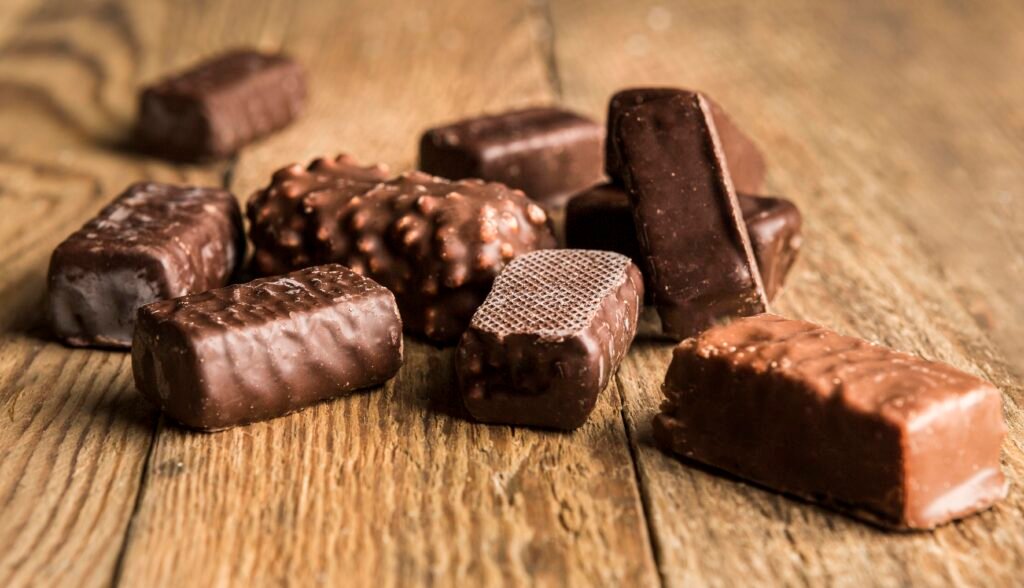
While sugar free chocolates remove or reduce sugar, they aren’t necessarily low in calories. Cocoa butter, milk powder, and nuts still contribute fats and calories.
For example
A 100g serving of regular dark chocolate (70–85% cocoa) contains roughly 600 calories.
- Sugar-free dark chocolate might only save 50–100 calories per 100g, depending on sweetener choice.
If your goal is weight loss, portion control is still key.
6. The Taste Factor: Do They Compare to Regular Chocolate?
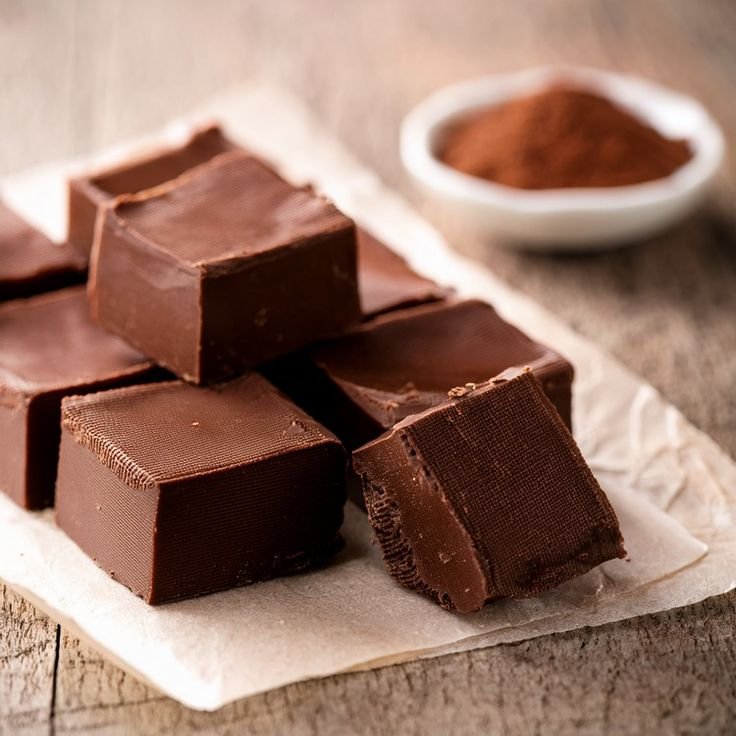
Taste is subjective. Some people love sugar-free chocolates and find them indistinguishable from regular ones. Others notice a slight difference in sweetness level or an aftertaste, especially with stevia or certain sugar alcohols.
Tips for best taste experience:
- Choose chocolates with high cocoa content—the rich cocoa flavor can mask aftertastes.
- Opt for brands using blends of sweeteners for a more natural sweetness profile.
7. Are They Actually Healthier?
Potential Benefits of Sugar-Free Chocolate:
- Lower sugar intake – Supports better dental and metabolic health.
- Blood sugar-friendly – Helpful for diabetics and those on low-carb diets.
- Fewer empty calories – Reduces calorie intake from sugar.
Possible Drawbacks:
- Digestive issues – Some sugar alcohols cause bloating or diarrhea.
- Overconsumption – “Health halo” effect may lead to eating more.
- Highly processed sweeteners – Not all sugar alternatives are natural.
Healthier doesn’t just mean less sugar—nutrient quality, portion size, and overall diet matter too.
8. The Dental Health Angle
Sugar-free chocolates (especially those with xylitol) can be better for your teeth since they don’t feed cavity-causing bacteria like regular sugar does. However, keep in mind that cocoa still contains acids that can affect enamel, so moderation remains important.
9. Who Should Consider Sugar Free Chocolate?
You may benefit from sugar free options if you:
- Have diabetes or insulin resistance.
- Follow a ketogenic or low-carb diet.
- Are trying to reduce overall sugar intake.
- Want to protect dental health.
However, if you tolerate sugar well and eat it in moderation, high-quality regular dark chocolate can still be part of a balanced diet.
10. How to Choose the Best Sugar Free Chocolate
When shopping, look for:
- Cocoa content: Aim for 70% or higher for antioxidant benefits.
- Sweetener type: Stevia, monk fruit, or erythritol are often better tolerated.
- Minimal additives: Avoid artificial flavors, hydrogenated oils, or unnecessary fillers.
- Brand reputation: Choose trusted brands known for quality ingredients.
11. Final Verdict: Are They Really Healthier?
Sugar-free chocolates can be a healthier choice in certain contexts, especially for those managing blood sugar or reducing sugar consumption. However, they’re not a free pass to eat unlimited amounts.
The healthiest chocolate—sugar free or not—is:
- High in cocoa content.
- Low in additives.
Enjoy in moderation as part of a well-balanced diet.
12. Quick Tips for Enjoying Chocolate Wisely
- Stick to 20–30g per serving.
Combine with nuts or fresh fruit for a more filling treat.
Enjoy it as a special indulgence rather than an everyday habit.
Sip water afterward to refresh your palate and help protect your teeth.
Final Takeaway: Sugar-free chocolates offer an appealing alternative for those looking to cut back on sugar without giving up the pleasure of chocolate. But “healthier” depends on the sweetener used, your health goals, and how much you consume. When in doubt, read the label, choose quality over quantity, and savor every bite.
If you want, I can also make you a shorter, 700-word marketing-friendly version of this blog so you can post it on your brand’s site without overwhelming readers. That way you can have both a long SEO version